
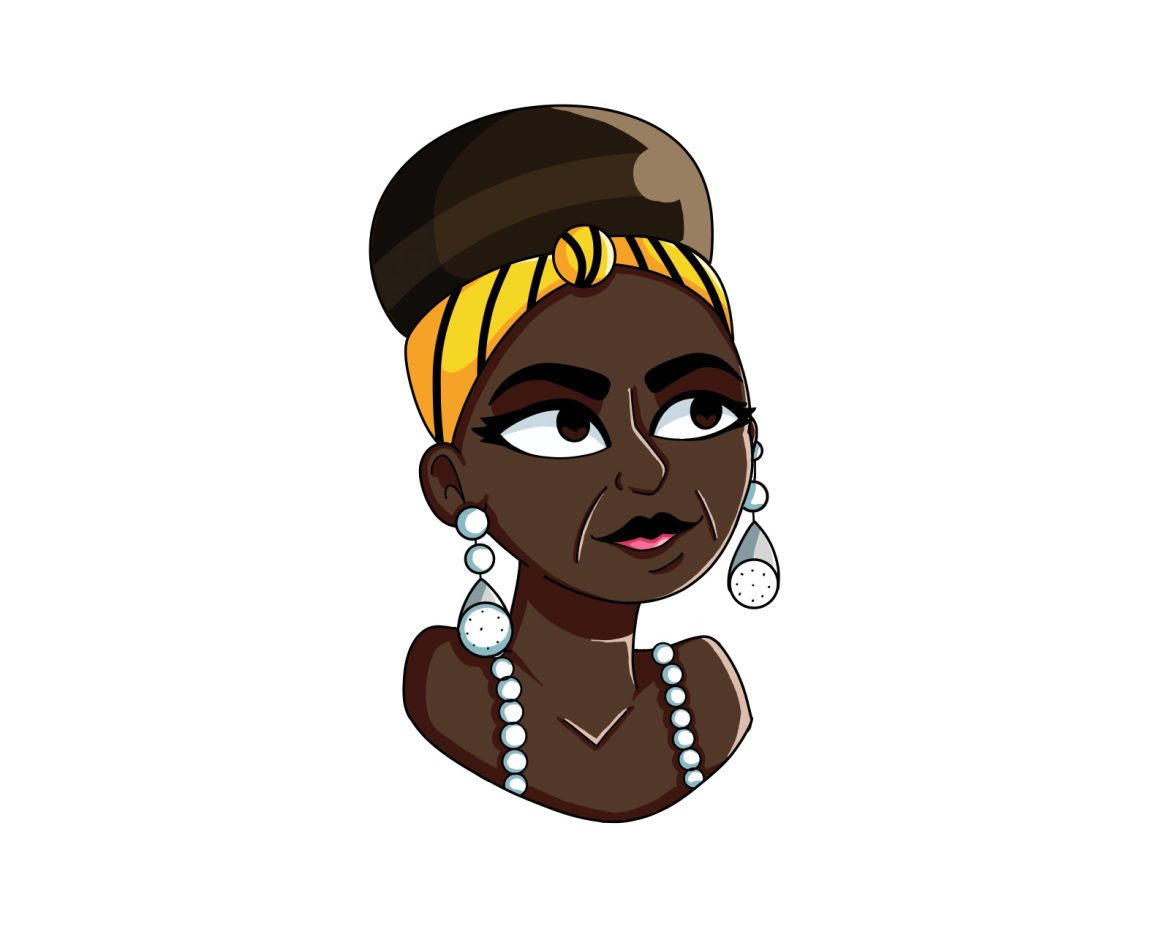
By Elizabeth Lehman
Nina Simone’s “Wild is the Wind” is an album that demands your ear. Released in 1966, the tracks sit at an intersection of jazz, blues and soul. It is an album that refuses to be categorized. Highly regarded as a musical masterpiece, “Wild is the Wind” is a confession of the emotional complexities of black women. It is intimate and deeply human, perfect for lovers of Black American art, poets and anyone who has ever felt the pain of rejection and betrayal of a lover.
By the time this album was released, Simone was already an established pianist and vocalist. She performed back and forth between jazz clubs and concert halls, showcasing activist music and romantic ballads. Her earlier work like ‘Little Girl Blue’ showcased her jazz piano skills, while songs such as “Mississippi Goddam” which told the stories of black children who were victims of hate crimes, cemented her as a political voice of the Civil Rights Movement. “Wild is the Wind” feels quieter in comparison. Instead of protesting the black woman’s position in America, Simone turns inward; she examines identity, rage and unrequited love.
The most iconic feature of “Wild is the Wind” is Simone’s unique voice. It is deep, rich and textured, brown, almost purple in tone, an interesting contrast to the album cover, where her profile floats superimposed against a purple-ish background. Her voice stretches notes into towers, the listener balancing precariously at the top. There is a sense that she is not simply singing to someone, but singing at them. This someone does not appreciate the depth of her love. Her range is technically and emotionally overwhelming. She moves from tenderness to rage, to swooning, often within a single song.
The title track, “Wild is the Wind,” is the album’s core. Simone’s mastery of the piano makes the piece, while her voice carries a tortured yearning that feels almost uncomfortably personal. Lines like “Cling to me like a leaf on a tree” symbolizes unhealthy attachment, desperation and the fear of abandonment. Love is both her salvation and her downfall, and the listener is left stuck in the fallout of a toxic relationship.
‘I Love Your Loving Ways’ is a mood shift, leaning into rhythm and blues. It is catchy and repetitive in the best way, backed by a groovy guitar riff and a hook that makes you want to move. This is one of the album’s more playful moments; it’s something you could shake your hips to.
One of the most powerful and standout tracks on the album is “Four Women,” a song that functions like a short story. A rhythmic bass guitar drives the piece as Simone introduces four Black women: Aunt Sarah, Saffronia, Sweet Thing and Peaches. Each woman represents a different experience of a black woman. Aunt Sarah draws from the mammy caricature; her strength is born from enduring and suffering misogyny and racism. Saffronia, a mixed woman, is torn between two worlds in the Jim Crow South, belonging neither completely and dealing with isolation that comes from her identity. Sweet Thing is a hyper-sexualized young prositute, valued only for her body, and most likely driven to sex work by poverty and lack of opportunity for black women. “Whose little girl am I? Anyone who has money to buy.” Her vulnerability and naivety are exaggerated by the men who consume her. Finally, Peaches emerges angry and bitter, shaped by generational trauma: “My parents were slaves.” Her name itself is dehumanizing, clashing violently with her bleak reality. The song is devastating, and deeply political, and is known as one of Simone’s most impactful and well-known works.
“What More Can I Say” feels like a breakup song dressed in elegance. It is the kind of song that could play at a gala or an upper-echelon dinner party, masking heartbreak beneath class and composure. Simone sings of giving everything and still not being enough, repeating “That’s how much I love you” as if convincing herself. She stays, which makes the song even more heartbreaking.
“Lilac Wine” might remind you of the haunting melodies of Simone’s earlier recording of “Strange Fruit.” Here, her voice is calming and almost maternal, even while she sings about intoxication and loss.
The lyrics have two meanings: the sweetness and unsteadiness of the wine and intoxication mirrors the unstable nature of her relationship. “Lilac wine is sweet and heady like my love… I feel unsteady like my love.” The soft slow piano is the true highlight, giving the song a dreamlike, drifting quality.
“That’s All I Ask” features a timeless jazz band arrangement, the kind of sound you can completely lose yourself in. The instrumental riffs give chills, supporting Simone as she begins to emotionally unravel over the course of the piece. As the song builds, she breaks down, finally letting it all out. “I’ve held back my tears as long as I could.” The horns become energetic and almost frantic. Her vibrato is invigorating, making you want to sing, jump and shout with her. This is female rage shown musically, stuffed down until the dam breaks.
“Why Keep on Breaking My Heart” has a lighter, beach-y vibe, with a tambourine that stands out and a fluttering guitar that puts the listener into a trance. It is easy to sing along to, even if you do not know the lyrics. This track is different in tone from the others as it is one of the album’s most emotionally accessible tracks. It is an underrated bop.
“Black Is the Color of My True Love’s Hair” is a traditional application folk song reworked into a jazzy ballad. First recorded in 1955, Simone recorded new versions several times throughout the years. The version included in “Wild is the Wind” is regarded as the best interpretation of the song by many.
“Wild is the Wind” is an album about love that is unreturned, identities that are shaped by pain, and the endurance of the black woman in America. It may not be Simone’s loudest or most overtly political work, but it is one of her most emotionally honest. This is an album for the lover and the poet, for those who feel deeply and are unafraid to sit with that feeling. Simone’s style is timeless because she doesn’t comfort the listener, rather she offers recognition.